Can you really make money on sustainability?
“Of course! Some of the world’s most innovative companies make sustainability a central part of their strategy. And not because they’re paragons of virtue. They’re just being sensible rather than short-sighted.”
Per Grankvist is a trends analyst, writer and lecturer. He’s passionate about some of the key issues of our time: sustainability, ethics and social commitment at the private, political and professional levels. Viewing sustainability as a common-sense issue instead of a matter of policy and legislation makes it much easier to see what needs to be done and how to do it.
“We need to get away from all these silly abbreviations – CSR, ESG, GRI. They may sound impressive, but mostly they’re just confusing. If we want people and companies to understand what sustainability is all about, we need to explain it in a way that even my old mum would understand,” Grankvist says.
At the core it’s just plain common sense. It’s about getting back to how we used to act – up until around 100 years ago. It’s about conserving resources.
“We need to find a long-term sustainable way to take care of one another and our planet so it can support all of us. Sustainable development is about being able to make free choices now without robbing our children and grandchildren of that same opportunity.”
Conserving resources is everyone’s business. It’s something we’re all capable of, regardless of nationality or culture. Every time we use nature’s resources wisely, we save money. It’s about being sensible rather than short-sighted.
“Look at it this way: it’s great to have lights in the bathroom, but it’s wasteful to leave them on when you’re not there. So why not have lights controlled by motion sensors? That conserves your resources and saves money.”
Making money on sustainability is an abstract concept that seems hard to grasp. But making money on resources – physical and human – is easy. Every company wants to make money; that’s why they exist.
“Corporations are global, undemocratic organisations that are ruled by money. But consumers can make them listen through their buying power. When customers vote with their wallets, things start happening,” Grankvist says.
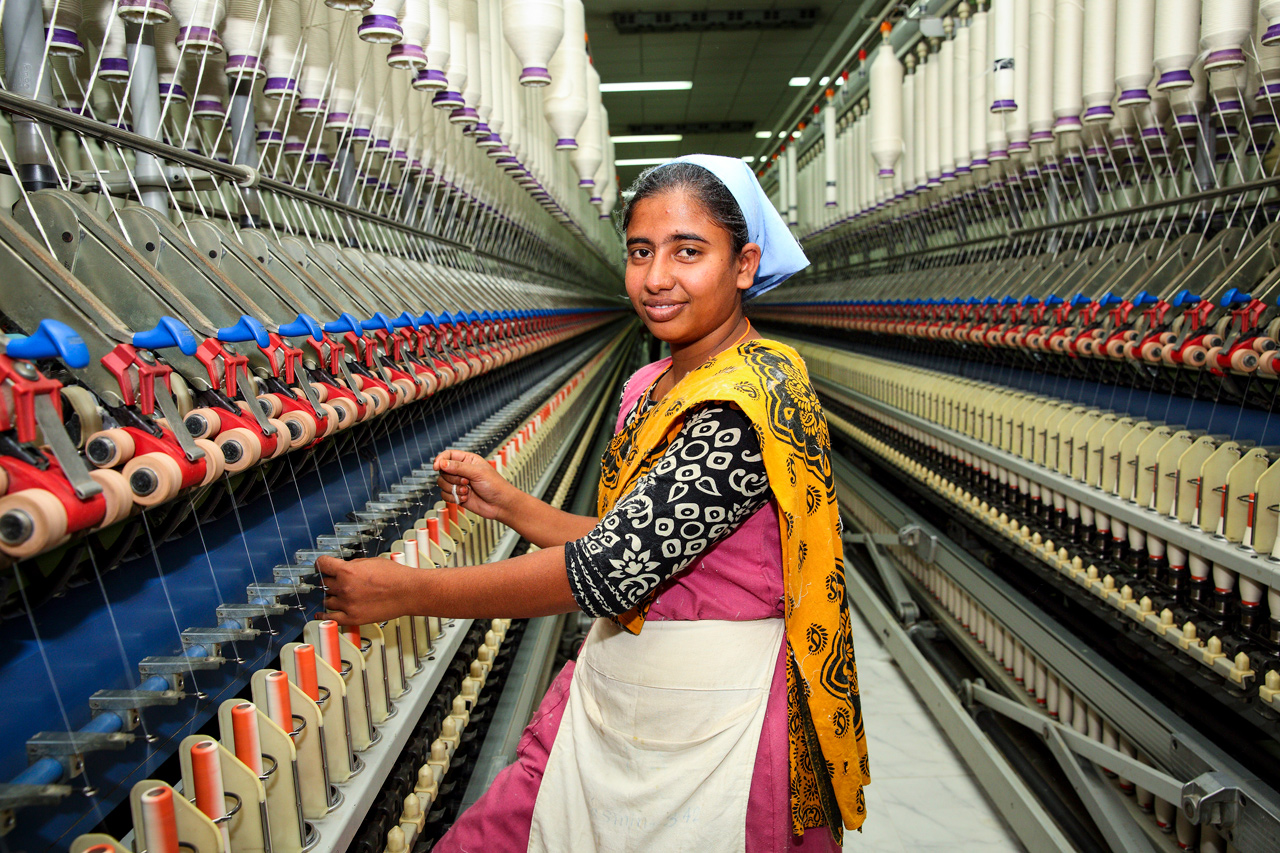
He puts the case of a certain global sports shoe manufacturer as an example. About 15 years ago, this company got into hot water when it emerged that their Indonesian supplier used child labour. Customers were not happy and started a boycott.
“It could have been one of the most ineffectual boycotts in history, but because the campaign went viral in the new social media, the company’s sales took a substantial hit. That made them get to grips with the issues in their supply chain.”
It’s a common misconception that prioritising sustainability is something companies do out of the goodness of their hearts.
“In much of northern Europe, particularly Scandinavia, we have a somewhat naive view of sustainability work. That you do it because it’s the right thing to do. Perhaps it’s a part of our Lutheran heritage, striving to be virtuous for virtue’s sake. But sensible companies see it as a way to make money.”
Grankvist describes how an international mining company brought that message home to him. “I met their marketing manager in New York, and she told me about their successful project to reduce the number of deaths in their mines. A very noble and worthy cause, I thought in my typical Swedish mindset. However, I soon felt foolish when she explained the company’s motivation: Digging a body out of the rubble takes days and costs a lot of money in terms of lost production time and unused equipment.”
Another example is an oil company replacing its pipelines to reduce the risk of leakage. Oil is simply too expensive to be leaked onto the tundra. The polar bears’ welfare is just an added bonus.
“If it’s possible to conserve resources whilst avoiding poisoning the world and still come in on budget – then of course we’ll do it!”
The US office furniture manufacturer Steelcase became a pioneer in its sector when it decided to clean up its textile dyes.
“They analysed every substance and slashed the list from 800 dyes to just 34 that were all environmentally defensible. As I recall, they were even edible, and still included every colour of the rainbow. They also consulted one of those famous Swiss analytical institutes and found that the local watercourses get less polluted when the dye process occurs upstream rather than downstream. Very smart!”
There are loads of examples like this. IKEA, famed for its flatpack furniture, switched to lightweight recyclable cardboard pallets instead of wooden ones, saving valuable volume and weight in transit. Then there was UPS, which redrew its delivery routes in New York so that its vans only make right turns.
“By eliminating left turns, you avoid idling at red lights, which saves time and minimises exhaust fumes. Not only can they deliver more parcels, they also save big money on fuel. So stop looking for ‘sustainability’ and ‘profitability’ solutions – if you look at resources instead, you’ll find all three!”
 “If we want people and companies to understand what sustainability is all about, we need to explain it in a way that even my old mum would understand.” Per Grankvist, Swedish trends analyst specialising in sustainability issues
Sensible rather than short-sighted thinking has even become a key parameter of stock market analysis. Can the company turn a profit while conserving resources? Can it deliver what the customers want? Does it accept its social responsibility? If the answer is yes, the recommendation is: Buy! And if not – Sell!
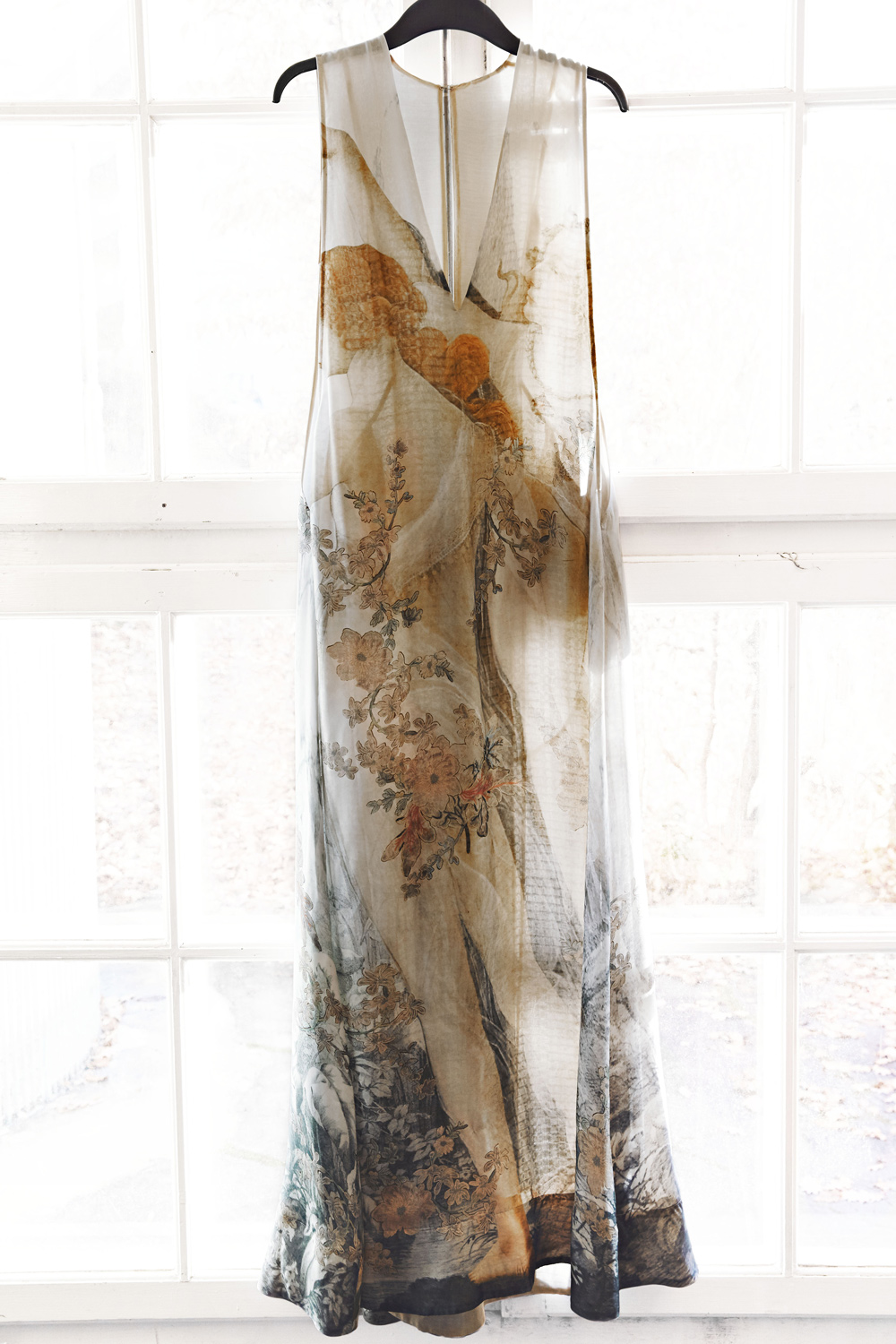
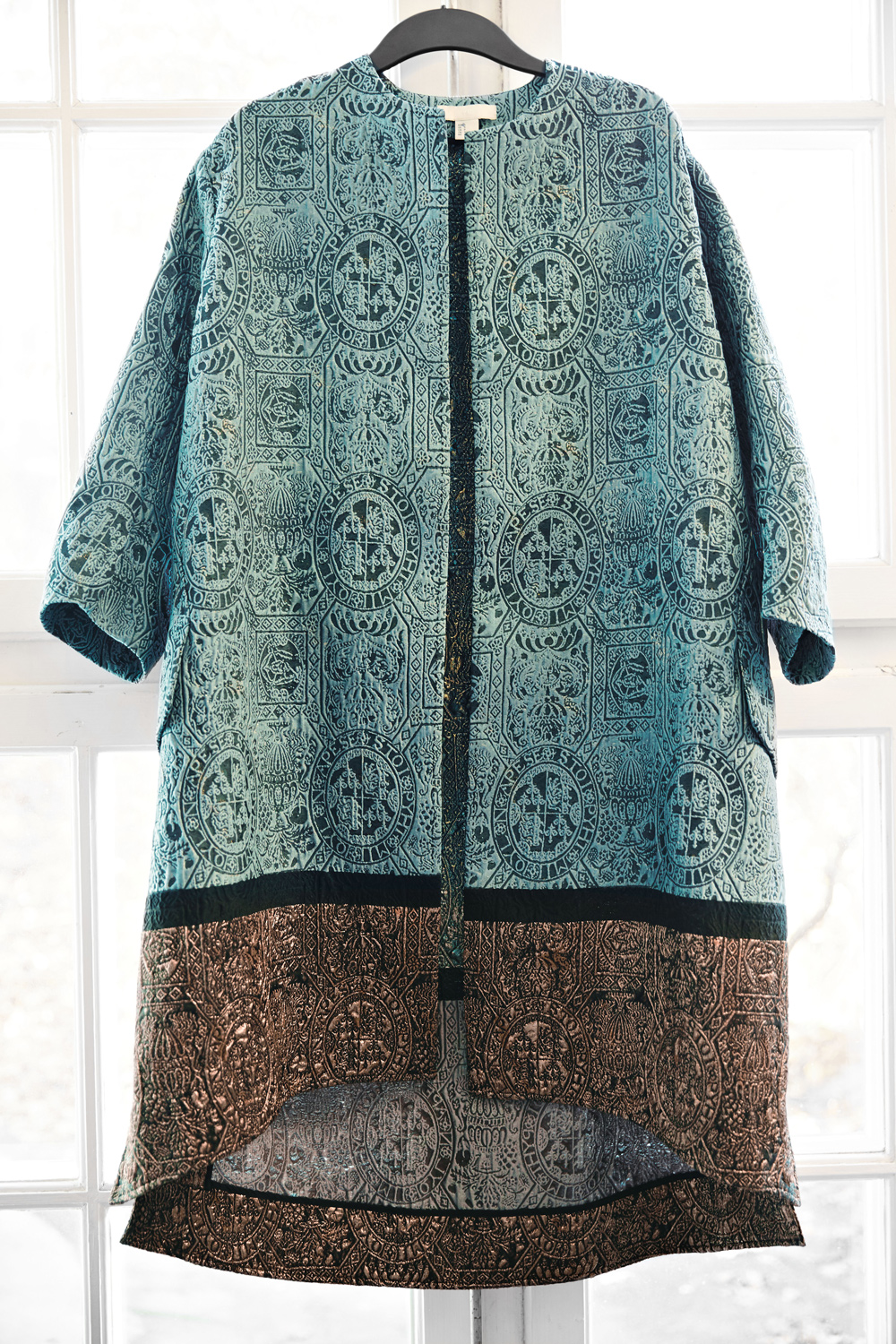
Sustainability has become a competitive advantage, an opportunity to meet the market’s demand in the long term. One company that embraced sustainability as an important part of its brand was the Swedish fashion giant H&M. With its sustainable Conscious Collection, H&M established itself as one of the most progressive fashion companies in the market. Film stars, royalty and ordinary people are all clamouring to wear the Conscious Collection.
“Instead of overworked employees slaving in sweatshops, which is bound to negatively impact product quality, H&M ensure good working conditions from the start. The company learned from its previous mistakes. They changed their procedures and did it right. At first they just focused on having a sustainable collection – they forgot about being a fashion company. The trick, of course, was to combine high fashion with sustainable production. That’s when they hit the jackpot.”
Diversity is a much-vaunted word in companies’ CSR reports – but even this is all about resource management.
“It’s easy to reduce diversity to a focus on gender, ethnicity or age. But really, it’s about making the most of all the resources the company has. Consider language. Language is a unique resource. A company that can approach its customers in their own language will have a huge advantage in the global economy. At your local IKEA store, every employee wears a name badge with little flags indicating what languages they speak. It’s a lot easier to understand how to assemble your Billy shelves when it’s explained in your own language. Starbucks has a similar policy, where additional languages are seen as a bonus. The major banks have also started thinking along the same lines. How much better is it for customers to negotiate their home loans in a language they know? Diversity can always be converted into service, and service is money.
“The same thinking applies to diversity in the boardroom. Is it sensible to only have men on the board of a fashion company that manufactures and sells clothes for women? Or is it short-sighted?”
A company that works actively with its values and focuses on sustainability, and which integrates both into its brand, will be able to attract the very best staff. Assuming that it lives up to its values, of course.
“I don’t care if you have the most admirable values in the world emblazoned on the wall in your staff canteen. Your Code of Conduct means nothing until someone gets sacked,” Grankvist says.
If an employee is fired for visiting a brothel while on a business trip, it shows that the code of conduct is a force to be reckoned with. The alternative – playing down what happened or covering up the real reason the employee was fired – diminishes the code’s clout.
“If there’s one thing that makes companies take action, it’s when they mess up and lose business to their competitors. So there’s no question we’ll see companies step up. Politics is always local, but business is global. In the next 10 years, sustainability considerations will have a much greater impact on how companies do business than even the Internet has had. You can count on that.”
Gerelateerd nieuws

Als materiaal ertoe doet – Wrapped komt met een nieuwe kijk op duurzame verlichting
In een wereld waar elke gram materiaal en elke gram koolstofdioxide telt, duikt Wrapped op niet als een gewoon armatuur – maar als een statement. Het is Fagerhult's meest duurzame pendelarmatuur tot nu toe, en dat is niet per ongeluk zo gekomen. Elk detail, elke beslissing, elk materiaal werd gekozen met een duidelijk plan. Duurzaamheid begint vaak met een eenvoudige vraag: Waar is het van gemaakt? Voor Wrapped is het antwoord een trio materialen die elk hun eigen milieuverhaal met zich meedragen. Massief karton: een vertrouwde vriend Bij Fagerhult vond het eerste gebruik van massief karton in 2021 plaats met Multilume Re:Think. Maar voor Wrapped zijn we nog een stapje verder gegaan. Het materiaal bestaat uit een drielaagse constructie met een 100% gerecyclede kern, een hernieuwbare FSC-gecertificeerde toplaag en een dunne beschermende plastic folie. Een materiaal dat dus al voor 65% gerecycled is – en een 89% lagere CO₂-uitstoot heeft dan nieuw geëxtrudeerd aluminium. Fotogalerij: Massief karton Wrapped is gemaakt van biologisch massief karton, gerecycled aluminium en post-consumer gerecycled plastic. Plastic opnieuw vormgeven Plastic wordt vaak genoemd in gesprekken over duurzaamheid. Maar niet alle plastic wordt op dezelfde manier gemaakt. Wrapped gebruikt gerecycled consumentenplastic: het soort plastic dat al eerder een leven heeft geleid, misschien als shampoofles of voedselcontainer. Pre-consumer plastic daarentegen is anders, omdat het nooit eerder in de schappen heeft gestaan. Citaat: Josefin Carlsson Aluminium met een verleden Aan de binnenkant van Wrapped zitten twee structurele onderdelen die zijn gemaakt van 100% post-consumer gerecycled aluminium. Ook dit materiaal maakt deel uit van een circulaire infrastructuur – en heeft misschien ooit wel deel uitgemaakt van een Notor armatuur. In vergelijking met nieuw aluminium vermindert deze keuze de uitstoot met 83%. Ontworpen met minder - gemaakt om lang mee te gaan Duurzaamheid gaat echter niet alleen over wat je gebruikt - maar ook over hoeveel. Met slechts 900 mm is Wrapped korter dan een conventioneel pendelarmatuur van 1200 mm. Alleen al die vermindering van de afmetingen verlaagt de impact op het klimaat met 25%, zonder afbreuk te doen aan de verlichtingsprestaties van het armatuur. Josefin Carlsson vergelijkt de klimaatimpact van producten in het Fagerhult Experience Centre in Habo. Om de impact van Wrapped te begrijpen, helpt het om te kijken waar we vandaan komen. In 2021 had Notor 65, gemaakt van nieuw aluminium, een klimaatimpact van 34 kg CO₂e. In 2024, met 75% gerecycled aluminium, was dat getal teruggebracht tot 25 kg CO₂e. En Wrapped komt nu uit op slechts ongeveer 12 kg CO₂e. "Dat is een derde van de oorspronkelijke Notor 65 en de helft van de huidige uitvoering, en een stille revolutie, gemeten in kilogrammen CO₂e," zegt Josefin Carlsson. Na een lange levensduur; die wordt geschat op 100.000 uur, is Wrapped klaar voor een al even duurzame exit. Door het ontwerp is het eenvoudig te demonteren, waarbij elk materiaal recyclebaar is en klaar voor een volgend hoofdstuk in de circulaire economie.
De cirkel sluiten – en de levenscyclus van armaturen verlengen
Het concept van het opnieuw gebruiken van oude armaturen om materiaal en energie te besparen wordt steeds populairder. Om weer opnieuw te kunnen stralen heeft een verouderd armatuur soms alleen maar wat liefdevolle verzorging en technische vaardigheden nodig. We ontmoetten Emma Hallman, Mathilda Holl en Andreas Ekslätt, het team achter ReLight bij Fagerhult, om te praten over de uitdagingen die gepaard gaan bij het vinden van oplossingen om oude armaturen naar de toekomst te voeren. Bij Fagerhult beïnvloedt een diepgewortelde innovatiecultuur alle aspecten van het werk. Dit komt mogelijk voort uit de mentaliteit van oprichter Bertil Svensson om problemen op te lossen met soms kleine middelen - en nieuwsgierigheid en toewijding. In tegenstelling tot nu was duurzaamheid toen echt geen modewoord. Het bewust gebruiken van onze middelen en het streven naar een hoge kwaliteit zijn echter altijd hoekstenen geweest voor Fagerhult. Vandaag de dag heeft een nieuwe focus op circulariteit ons aangespoord om ons denken uit te dagen en ons bewust gemaakt van het vinden van duurzame oplossingen. De afdeling Bespoke Lighting Solutions (BLS) van Fagerhult ontwikkelt al vele jaren unieke armaturen en aangepaste oplossingen. Dus het opknappen en bijwerken van oude armaturen is niet onbekend voor ons. Maar de ambitie om oude armaturen opnieuw te gebruiken en te herbouwen om de klimaatimpact te verminderen is in de loop der tijd wel toegenomen. In dit proces worden het ontwerp en de technologie van gisteren bijgewerkt tot de vooruitgang van vandaag om te voldoen aan de eisen van morgen. Citaat ReLight uw oude armaturen Voor het ReLight-team van Fagerhult bestaan er geen ongebruikelijke vragen of onmogelijke oplossingen. Dagelijks behandelen ze vragen uit de markten van Fagerhult over speciaal ontwikkelde verlichtingsoplossingen voor projecten. Het is een complex proces, maar gedurende die tijd hebben ze geleerd dat sommige projecten ideaal zijn voor het hergebruik van oude armaturen in plaats van te investeren in nieuwe. “Voor ons vormen de kwaliteit van het armatuur op het gebied van verlichtingscomfort, veiligheid en esthetiek de kern van elk ReLight-project. We berekenen ook grondig of - en hoeveel - we de totale klimaatimpact van het armatuur gedurende de levenscyclus kunnen verminderen. Als aan al deze eisen is voldaan, beginnen we met het ontwikkelen en ontwerpen van een nieuwe kit”, zegt Emma Hallman. Binnen ReLight hebben we de uitgesproken wilskracht om materialen en energie te besparen en een milieu-inspanning te leveren door de armaturen te moderniseren. Niet alle oude armaturen gaan echter eeuwig mee; sommige zijn verouderd en dan is het beter om te recyclen dan te refurbishen. Img “Voor ons vormen de kwaliteiten van de armatuur op het gebied van lichtcomfort, veiligheid en esthetiek de kern van elk ReLight-project. Op verzoek berekenen we ook of – en hoeveel – we de totale klimaatimpact van de armatuur gedurende de hele levenscyclus kunnen verminderen”, zegt Emma Hallman. Bij Fagerhult zijn veiligheid en kwaliteit de rode draad die alle producten combineren. En ReLight is daarop geen uitzondering. Gedurende het proces zijn CE-markering en testen cruciale factoren. "Om de algehele kwaliteit te garanderen, wordt de vernieuwde armatuur vóór levering volledig CE-gemarkeerd. We willen ook de installatie ter plaatse zowel soepel als snel laten verlopen, en de nieuwe kit benadert een complete armatuur zo dicht mogelijk”, zegt Andreas Ekslätt.