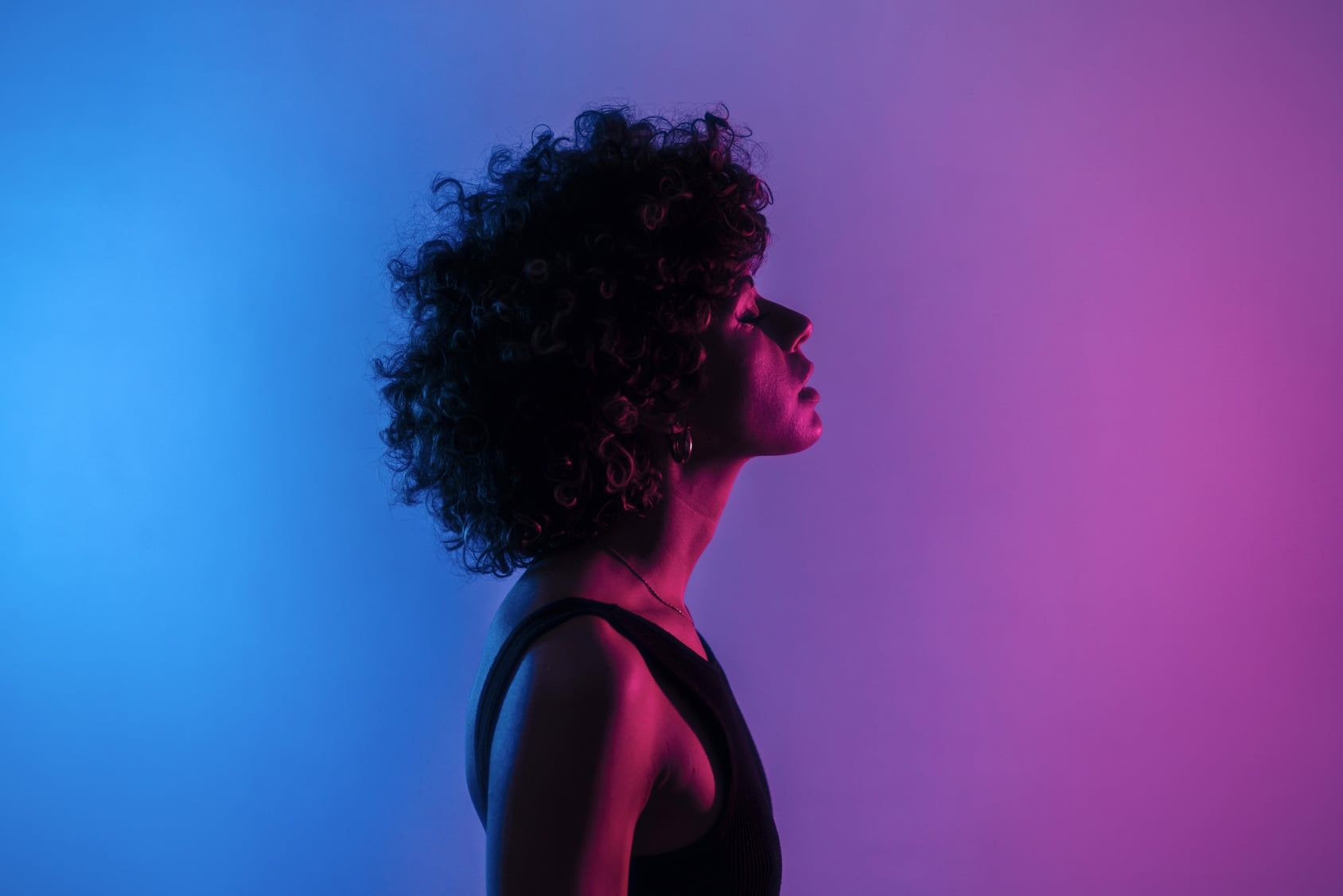
The Power of Colour Rendering
Among the qualities of effective store lighting, colour rendering – the ability of light to display products’ true colours accurately – is an essential factor in building trust and supporting sales.
For decades, the industry relied on the Colour Rendering Index (CRI), a scale of up to 100, where higher values meant closer alignment with natural daylight. CRI helped establish a common language, but it only measured a very limited set of colours.
Today, the industry is moving forward with RF metrics. RF examines 99 colour samples instead of just eight, offering a more detailed and reliable picture of how accurately a light source will reveal colours. Often paired with RG (gamut), which shows how vivid colours appear, these tools give retailers the confidence that their products will look authentic and consistent.
Why Colour Accuracy Matters
Customers expect products to appear consistent under standard store lighting and in typical real-world conditions. Discrepancies in shade or tone can contribute to disappointment and, in some cases, returns, particularly when other expectations, such as fit or quality, are already aligned. “If products do not appear as expected, that can be a real issue,” says Dave Hughes, Head of Lighting Design at Fagerhult.
By contrast, accurate colour rendering enables customers to make informed decisions with confidence. They feel assured that what they see in store is what they will get.
 “You provide the customer with the best interpretation of that garment within a retail space, so they are less likely to need to return it for any reason. They’ve seen it as it is, and they are happy with it as it is.” Head of Lighting Design at Fagerhult UK
Studies have shown that lighting operates “below the level of our immediate awareness” to subtly influence perception and behaviour. Inconsistent or poor-quality lighting can subtly affect how customers perceive products, which may influence their confidence and trust in the store.
Beyond Returns: Shaping the Customer Experience
Accurate lighting improves more than just return rates; it shapes the overall customer experience. Shoppers who feel confident in their purchases develop a positive impression of the store, increasing the likelihood of repeat visits.
Fagerhult has explored ways to enhance this experience, such as adjustable fitting room lighting. This feature allows customers to see how garments appear in different environments – from cool daylight to warmer evening settings – creating an engaging, authentic shopping experience.
Academic studies support this: lighting shapes not just what customers see, but how they feel. It affects mood, time spent in store, and even product preference. Positive lighting atmospheres encourage shoppers to linger, browse, and ultimately purchase more.
Common Mistakes in Retail Lighting
Despite the proven value of good lighting, mistakes are common. The most damaging, according to Dave, is simply failing to upgrade. “Some retailers stick with what they have and try to make the most of it, which can be a missed opportunity.”
Other mistakes come from poor coordination. Lighting as an afterthought can clash with store layouts, for example, ceiling heights or fixture placements that make displays difficult to illuminate properly. While not strictly a colour rendering issue, such oversights undermine the impact of high-quality lighting.
Lighting research highlights the balance needed between technical precision and atmospheric design. Manufacturers focus on measurable factors, such as lux levels and shadow elimination, while designers shape mood and experience through contrasts and layering. Effective retail lighting combines both approaches: it must meet technical standards and enhance the customer’s emotional journey.
Fagerhult’s Approach
Fagerhult prioritises collaboration and early engagement in the design process. If possible, lighting is integrated from the outset, working alongside interior designers, architects, and retailers.
“Our approach is to engage as much as possible with our clients and ensure lighting isn’t an afterthought; it’s considered throughout the design process so that everything works together,” says Dave.
A Single Piece of Advice
Asked to summarise his guidance to retailers, Dave highlights communication:
“Engage designers as early as possible. That gives you the best result – a great experience in your store, building trust, boosting sales, and reducing returns.”
Light is more than illumination: it is a silent partner in every purchase decision. With accurate colour rendering, stores can create an environment where customers see products as they truly are, feel confident in their choices, and are less likely to return items due to unexpected colours or appearances. Returns can still occur for other reasons, of course, but accurate lighting helps ensure that colour-related surprises are minimised, reinforcing customer trust and strengthening long-term loyalty.
Transform your store experience today – contact Fagerhult and see how expert lighting can boost sales, build trust, and reduce returns. Get in touch.
Related News
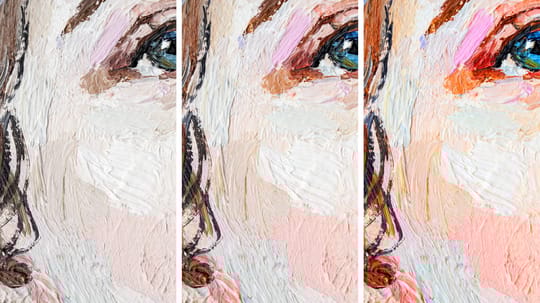
How New Colour Standards Could Change Retail Lighting
A customer stops at a cosmetics stand to try a lipstick. In the design studio, the colour was vibrant and flattering. Under the store spotlight it looks muted, and later, in daylight, it shifts again. The product hasn’t changed – the light has. For decades, retailers have used the Colour Rendering Index (CRI) to judge how lighting reveals colour. Colour rendering refers to the ability of a light source to accurately show the true colours of objects compared to a reference or natural light source. CRI gave the industry a shared benchmark, but it was built on narrow foundations. Today, a newer approach, Colour Fidelity Index (Rf) metrics, offers a broader way to evaluate how faithfully light sources render colours, but it is not without its challenges. To understand what this means for retailers, we spoke with Henrik Clausen, Director of the Fagerhult Lighting Academy. CRI: A Useful but Incomplete Measure The Colour Rendering Index was introduced more than 50 years ago by the International Commission on Illumination (CIE) and is still widely used in standards and specifications. CRI evaluates a light source using just eight test colours – soft, pastel shades that do not reflect the richness of real retail environments. HC quote The CIE has itself noted that ‘for some types of light sources, the CRI does not agree well with overall perceived colour rendering,’ particularly in cases of LED lighting with narrow-band spectral components – an issue that becomes especially relevant for saturated tones and complex materials. Rf: A Broader and More Comprehensive Measure The Rf metric, defined in the publications CIE 224:2017 and IES TM-30, was created to address these limitations. Instead of eight references, Rf evaluates 99 colour samples, selected to represent a broad range of real-world materials. Why Precision Matters in Retail In practice, much of retail design is built around appearance and perception. Premium packaging, cosmetics, fashion textiles, and even fresh food are all developed under specific lighting conditions. If colours shift when displayed in stores, the intended impression is lost. Rf metrics were designed to provide lighting specifiers with a broader toolset to preserve those intended appearances across a wider range of tones. “Rf could help to replicate the designer’s vision more faithfully,” Henrik says. “That is the real advantage for retail. The colours of a product or package are shown the way they were meant to be seen.” Image-colours Henrik was cautious, however, to note that end customers are unlikely to notice the difference directly.Instead, the benefit is mainly for specifiers and purchasing teams, who can use Rf data to help ensure consistency across stores and product categories; a high Rf is generally more likely to provide consistency than a high Ra. However, as the CIE notes, two different light sources with the same Rf value can still render the appearance of specific objects differently, so lighting booths will likely still be necessary to ensure accurate colour rendition across a range of sources. Since CRI is long-established, both CRI and Rf will continue to appear on product sheets for the foreseeable future. But the shortcomings of CRI are clear: a light can score highly while still distorting saturated or complex colours. Rf reveals these gaps by showing how a source performs across a much wider range of references. Customers Don’t Notice the Lights – But They Notice the Results While end customers are unlikely to consciously notice the difference between CRI and Rf, purchasing teams can use Rf data to increase the likelihood of consistency across stores and product categories. The benefit is indirect: customers may not name the technology, but they experience greater consistency in presentation when retailers apply it carefully. “Customers won’t walk in and say, ‘This is Rf lighting,’” Henrik points out. “But they will see products as they were designed to look, and that creates a sense of quality and trust.” Trade-offs and Practical Challenges Henrik noted important trade-offs with adopting Rf: higher colour rendering often means lower light output for the same energy input, raising environmental considerations. “There are pros and cons,” Henrik said. “More accuracy in specification is the benefit. But it is harder to measure, and you can lose efficiency if you push for the highest rendering levels.” The key recommendation is to carefully balance colour rendering accuracy with practical considerations such as energy efficiency and cost-effectiveness. He also pointed out that in practice, specifying exact values can be challenging, which is why Fagerhult often works with ranges such as ‘above 80’ or ‘above 90’ rather than precise figures. This approach gives customers confidence in quality without over-promising on measurement precision. The CIE also points out in its Position Statement on Colour Quality Metrics that the colour fidelity index alone does not encompass all aspects of colour quality; in particular it does not characterise colour preference. The Road Ahead Henrik underlined that Fagerhult has not yet adopted Rf metrics in its product documentation but is monitoring developments: “We are keeping track of what’s going on, and if customers want documentation in that way, then we’ll move. Our role is to support retailers with the standards and tools they find most valuable, helping them create lighting that reflects their products and brand as intended.” Take the Next Step in Retail Lighting Understanding and applying colour metrics can give retailers a competitive edge – ensuring products are seen as intended, building trust with customers, and strengthening brand perception. Fagerhult is here to guide you through this evolving landscape, balancing colour fidelity, efficiency, aesthetics, and practical considerations. Connect with our experts at Fagerhult to explore how precise lighting solutions can elevate your stores and bring your brand vision to life; get in touch.
What is colour temperature and why does it matter?
There’s a reason that when we picture a romantic dinner for two, we tend to imagine the lighting as a low, warm glow, rather than being brightly lit from above: it’s the impact of colour temperature. Colour temperature, or Correlated Colour Temperature (CCT) measures the hue of light, represented in Kelvins (K), ranging from warm (yellow/orange, low K) to cool (blue/white, high K). It matters because it impacts ambience, mood, and how colours appear. Warm light (2700K-3000K) creates cosy atmospheres, while cool light (5000K+) feels more energising, making it ideal for workspaces. Selecting the right colour temperature for a setting can influence comfort, productivity, and aesthetics, affecting how a space is perceived and experienced. The difference between warm and cool light Warm white (2000K – 3000K): Emits a soft, warm glow, similar to traditional incandescent bulbs and creates a cosy, inviting and calming atmosphere. Warm white lighting is often used in living rooms, bedrooms, and restaurants to promote relaxation and sociability. Warm lighting can also enhance warm colours - reds, yellows and browns, for instance - used elsewhere in the setting. Neutral (3100K – 4500K): Provides a brighter, neutral light which offers a balance that some spaces benefit from, like workspaces or areas that require clarity but not a stark ambiance. Colour temperatures between 3100-4500K provide flexibility for areas like home offices, or open plan areas, where activities might change from day to day. Cool white (4600K – 6500K): Mimics natural daylight with a crisp, bright light. Light in the higher Kelvin range often has a blue or white tone and provides an energising and focused atmosphere, suitable for workspaces, kitchens, and bathrooms. Cool lighting can help to ensure visibility and cleanliness in areas that benefit from a brighter, clearer light, but also stimulate concentration and productivity. Lighting and materials For architects and interior designers, the interaction between light and materials is crucial. Different materials react very differently to varying colour temperatures, affecting the overall perception and aesthetic of a space. For instance, warm lighting can enhance the natural richness of wood, stone, or brick, bringing out their textures and warm tones. Conversely, cool lighting often complements modern materials like glass, metal, or polished concrete, accentuating their sleek and crisp qualities. Surface reflectance also plays a role - matte finishes diffuse light, creating softer, subtler effects, while glossy or reflective surfaces intensify the brightness and sharpness of light. Transparency and translucency further influence how light interacts with materials; for example, frosted glass may glow warmly under a soft light but appear stark under cooler lighting. Designers need to consider these factors to ensure that lighting complements both the functional and aesthetic aspects of their material choices. Cultural differences and perceptions One of the most important factors when considering colour temperature, however, is cultural context. Cultural perceptions of colour temperature vary significantly, often shaped by environmental, historical, and social factors. In Scandinavia, for example, warm lighting (3000k) is commonly used in offices to create a cosy and inviting atmosphere, countering the region's long, dark winters. This preference reflects the Scandinavian ethos of hygge, or comfort and warmth. In contrast, other regions favour bright white light in similar environments, as it is associated with cleanliness and functionality. Warm lighting, by comparison, may be perceived as unclean or outdated in some contexts. Light is an integral part of our lives, and these differences highlight the importance of understanding cultural nuances when designing lighting schemes, particularly in international or multicultural settings. The transformative power of colour temperature Colour temperature plays a fundamental role in shaping the ambience, mood, and functionality of spaces. From enhancing materials and textures to aligning with cultural expectations, its influence extends beyond simple illumination. Thoughtful consideration of colour temperature enables architects, designers, and homeowners to create environments that are not only visually appealing but also comfortable, productive, and culturally resonant. By tailoring lighting to the unique needs of a space and its users, we can harness its power to transform and elevate everyday experiences.